
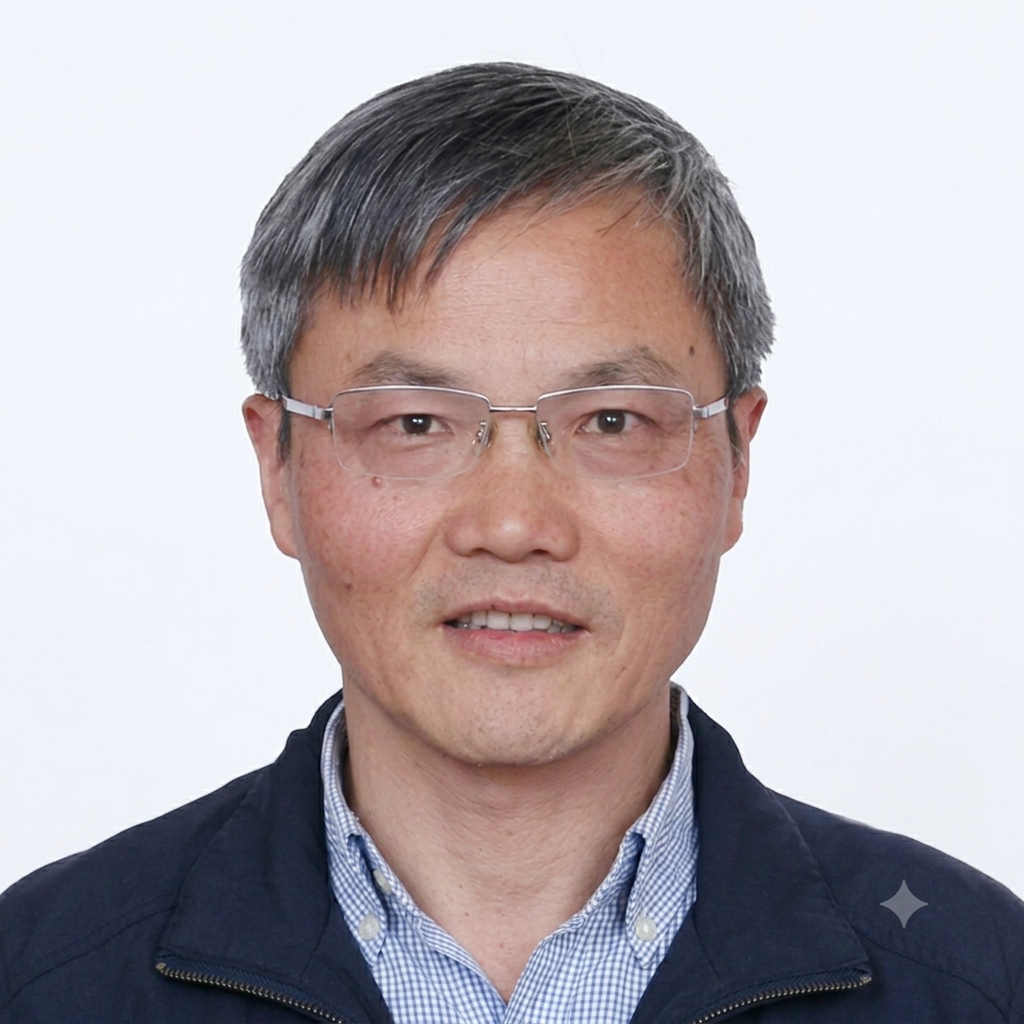
Prof. Bai Yun
Biography
Professor, Dr. Bai Yun devoted to the civil engineering in China, Singapore, India, Vietnam, Thailand, Angola, UAE and other countries for more thirty years. As Chief Engineer of STEC and SUCG, his experience covers many fields of civil engineering such as MRT project (tunnels and stations), water tunnels, road tunnels, soil improvement, rock Caverns and tunnels, site instrumentation, structural test, pile foundation, etc. As professor of Tongji University, he has published more than 100 papers based on his research on tunneling optimization and renovation. As VP of ITA and Exco member of CCES, he prompted international cooperation and organized many tunneling conferences.
Learning from Tunnelling Accidents
No single lecture can summarize all underground engineering accidents, because new accidents can always occur at any time. However, by reflecting on few selected past underground engineering accidents, we can identify some commonalities among them. This lecture attempts to summarize these commonalities from both technical and managerial perspectives.
- Technical Summary:
1.1 Looking at the cases in this lecture, we can see that some accidents are caused by neglecting engineering details or handling them improperly.
1.2 Engineering accidents often have precursors that can be detected. Engineering monitoring has become an indispensable part of underground construction. However, ignoring abnormal monitoring data leads to turning a blind eye to the precursors of accidents.
1.3 A lack of deep understanding of the technical methods used is also a common cause of underground engineering accidents. I find that some accidents happened not because of no prior risk analysis or emergency plan, but because unforeseen.
- Managerial Summary
2.1 The phased and dynamic nature of underground engineering requires process and real time control of engineering risks.
2.2 Many underground engineering accidents evolve gradually from minor to major. Inadequate risk preparedness leads to missed opportunities to address accidents early, resulting in a situation where “a small problem left untreated becomes a major one.”
2.3 Many accidents should not have happened. Negligence and irresponsibility on site cause accidents that could have been avoided. Such examples are not uncommon.